Jun 26, 2026LED Display Insights
When an LED Project Looks Perfect but Still Fails – Key Lessons from Real LED Display Projects
Many LED display projects appear successful in specifications but fail in real applications due to incorrect pixel pitch selection, poor installation planning and system mismatch. This article shares
Introduction
Many LED display projects look perfect during the planning stage, with detailed specifications, high-quality components and promising designs. However, once installed and put into real operation, some projects fail to deliver the expected visual performance or stability.
This gap between “on-paper success” and “real-world performance” is one of the most common issues in the LED display industry.
In this article, we share practical insights from real LED display projects and highlight the key factors that often lead to project failure.
1. Incorrect Pixel Pitch Selection
One of the most common mistakes in LED display projects is choosing the wrong pixel pitch.
A pitch that is too large reduces image clarity at close viewing distances, while an overly fine pitch can significantly increase project cost without real visual benefit.
Correct pixel pitch selection should always be based on:
- Viewing distance
- Screen size
- Application environment
For example:
Indoor LED Display: P1.25 / P1.53 / P1.86 / P2.5
Outdoor LED Display: P3.91 / P4.81 / P6 / P8 / P10
2. Poor Installation Planning
Even a high-quality LED display can fail if installation planning is not properly designed.
Common issues include:
- Incorrect structural support
- Poor ventilation design
- Lack of maintenance access
- Improper cabinet alignment
Proper installation planning ensures long-term stability and reduces maintenance costs.
3. Control System Mismatch
LED display performance depends heavily on the control system configuration.
Using incompatible or incorrectly configured control systems may result in:
- Screen flickering
- Signal delay
- Color inconsistency
- Unstable playback
Most professional LED display systems are compatible with NovaStar control systems, ensuring stable performance and reliable content management.
4. Lack of Application Understanding
Different LED display applications require different technical configurations.
For example:
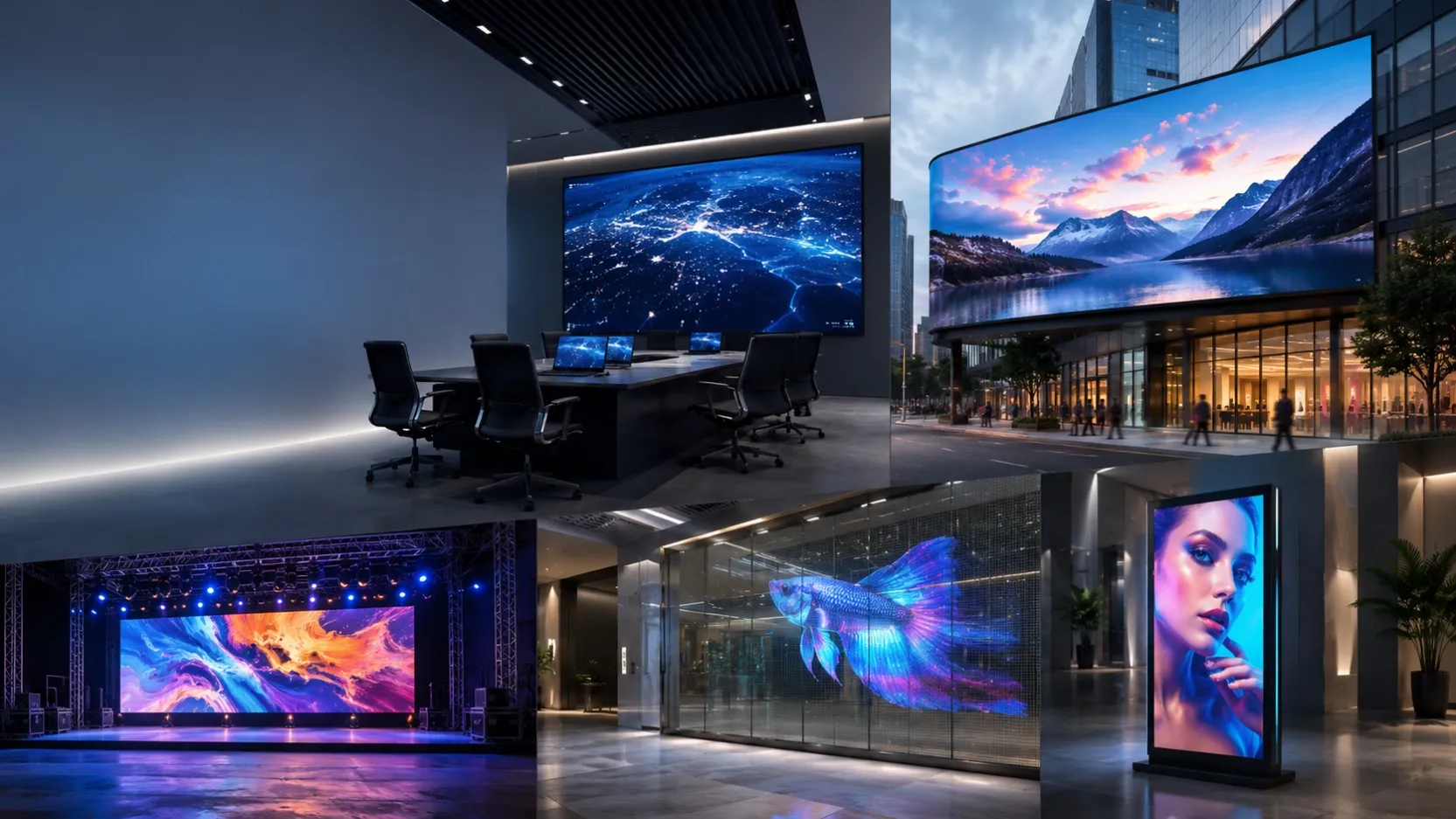
- Retail LED Display → High brightness + eye-catching content
- Control Room LED Display → High resolution + stability
- Rental LED Display → Fast installation + durability
- Crystal Film LED Display → Transparency + aesthetic integration
Choosing the right product based on application is critical for project success.
5. How to Avoid LED Project Failure
To ensure successful LED display projects, consider the following:
- Define application clearly before choosing product
- Select correct pixel pitch based on viewing distance
- Ensure proper structural and installation design
- Use reliable control systems such as NovaStar
- Work with experienced LED display manufacturers
A well-planned LED project not only improves visual performance but also reduces long-term operational costs.
Conclusion
LED display projects are not only about specifications, but also about proper system design, installation planning and application understanding.
By avoiding common mistakes in pixel pitch selection, installation design and system configuration, businesses can significantly improve the success rate of LED display projects.
If you are planning an LED display project, we provide professional consultation and customized LED display solutions for indoor, outdoor, rental, transparent and creative applications.
Contact us for professional LED display solutions and project consultation.