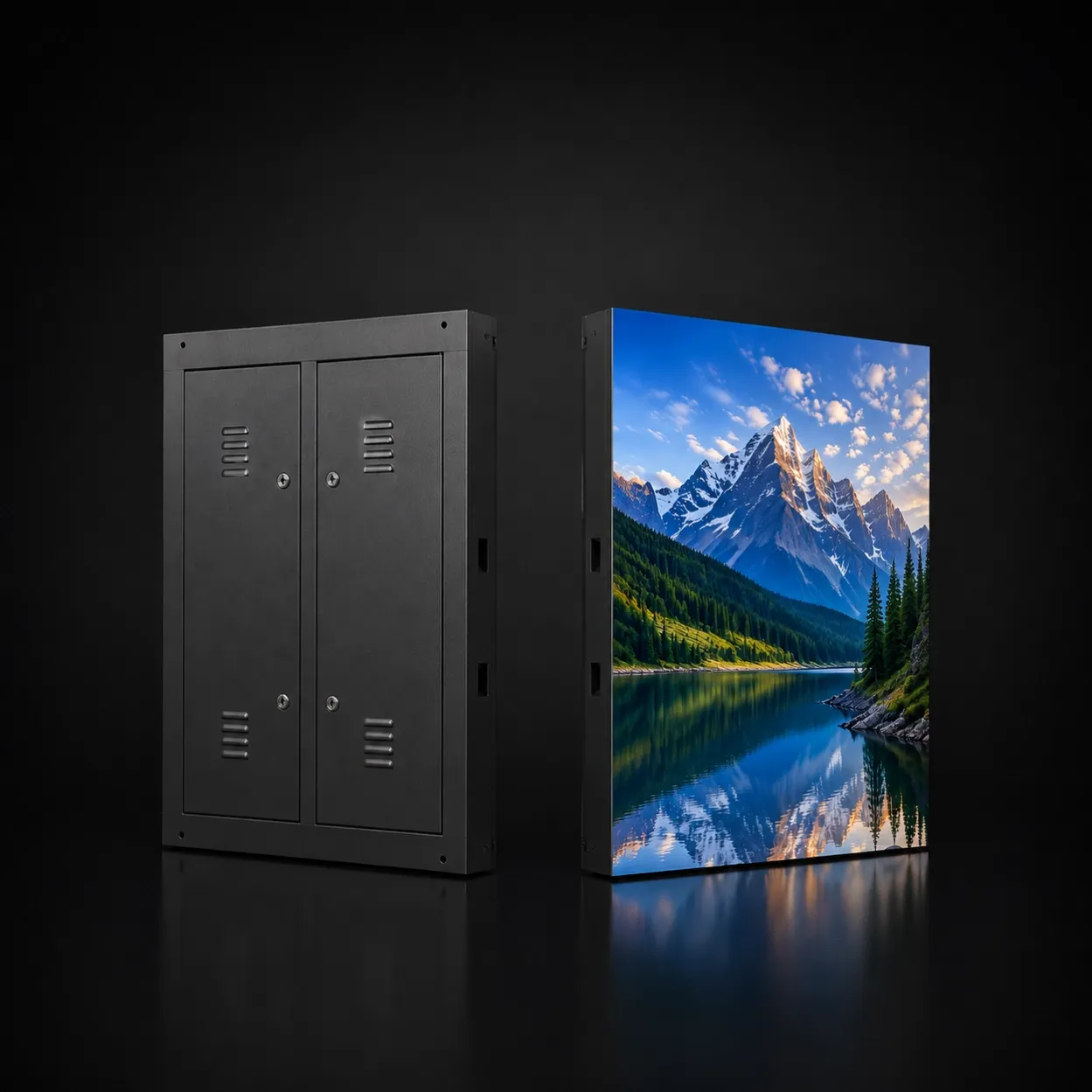
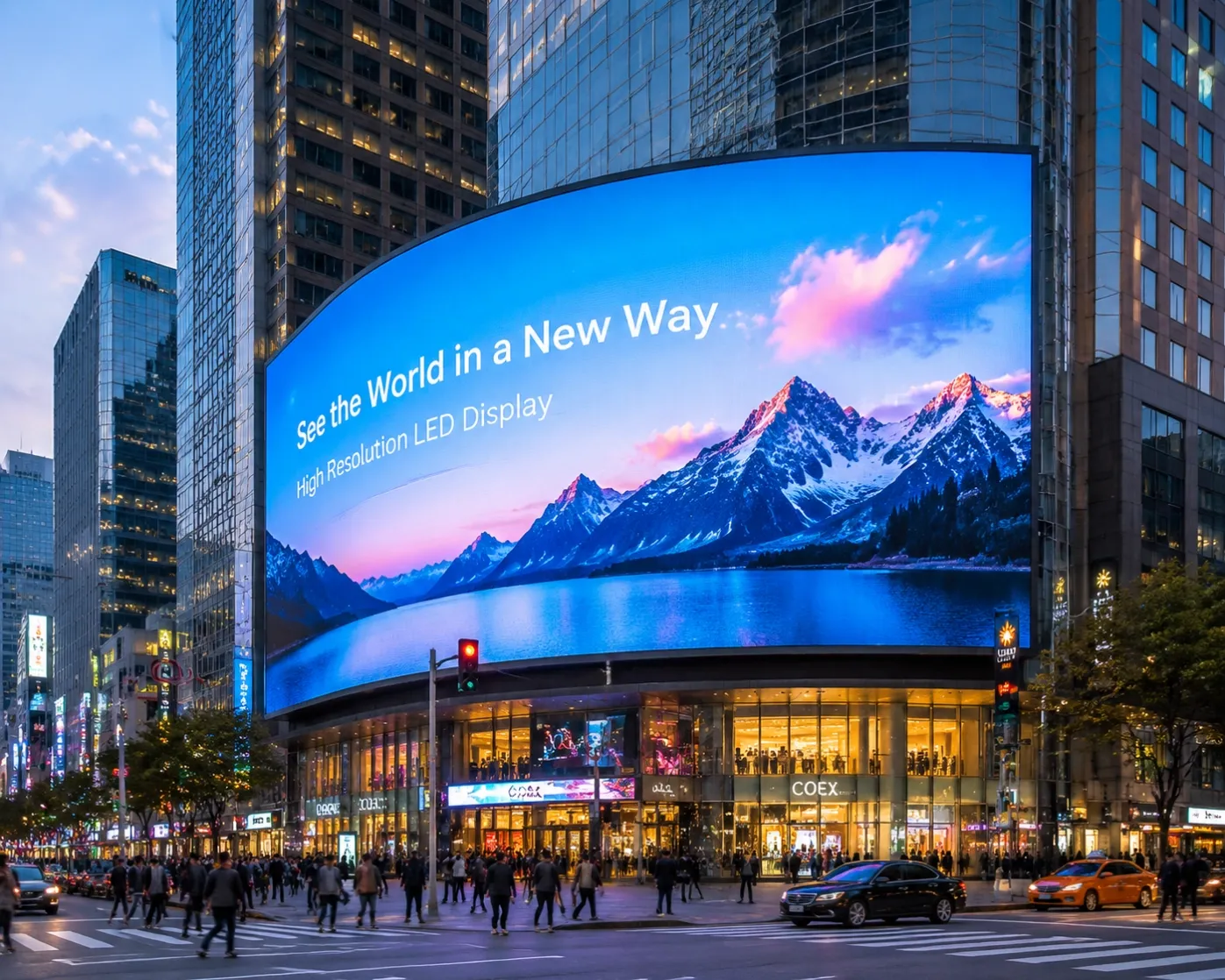
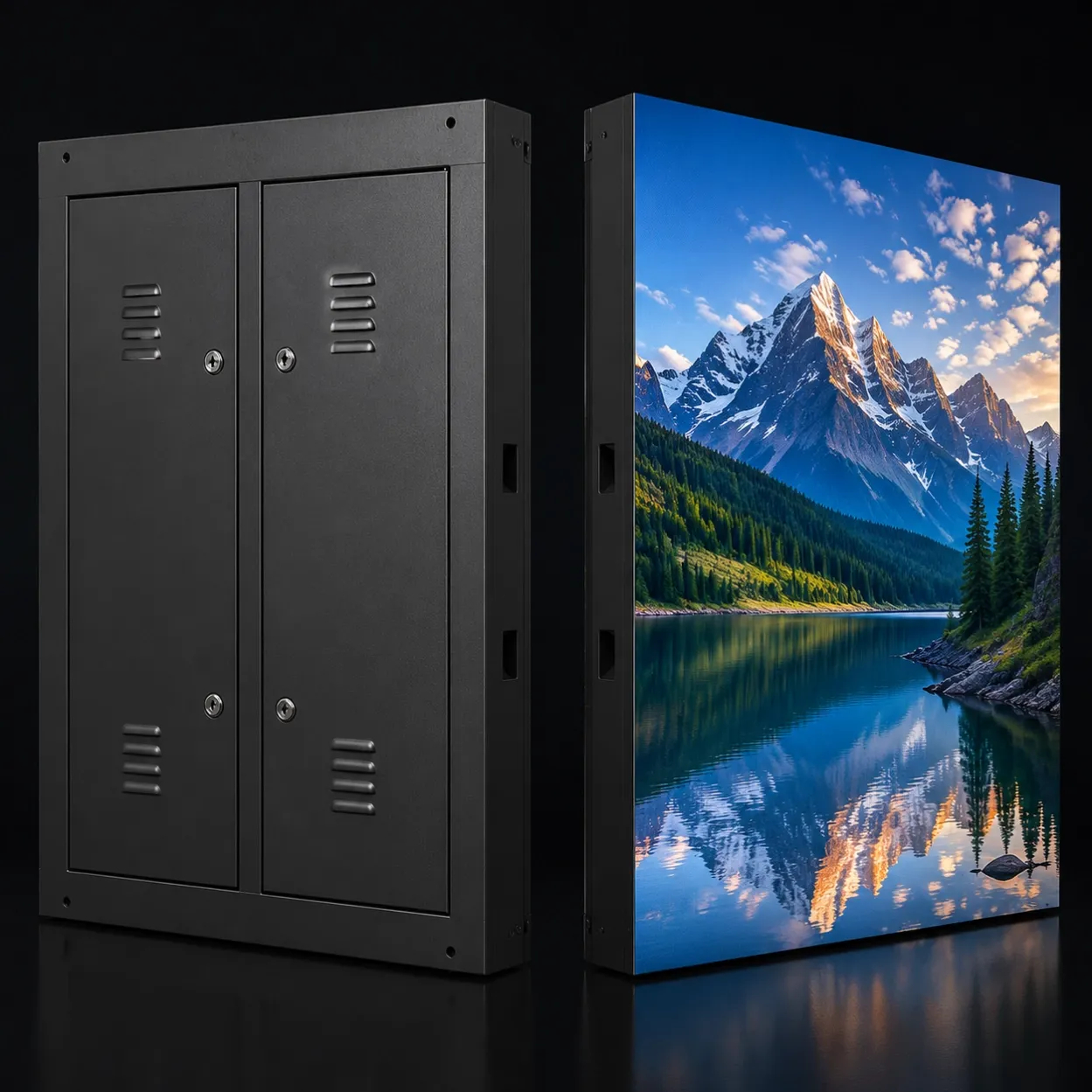
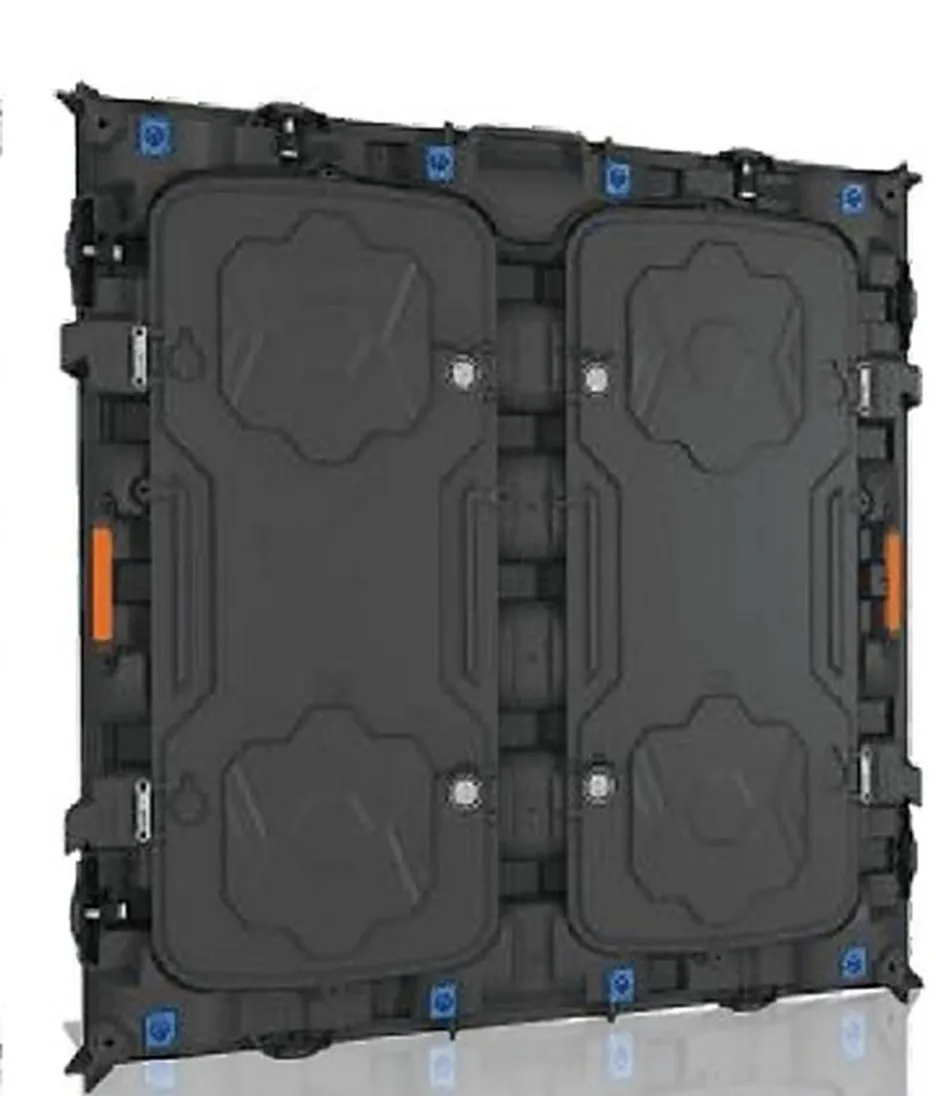
Outdoor Fixed LED Screens for Advertising and Signage
WINTECH supplies outdoor fixed LED display solutions for billboards, building-mounted advertising and commercial information screens. The configuration starts with the site: daylight, viewing distance, mounting structure, weather exposure and maintenance access.
This page covers options across the outdoor fixed range. The exact cabinet, LED configuration and protection rating are confirmed in the selected model's technical sheet.
Match the Screen to Its Location
- Roadside and commercial billboards: assess viewing distance, screen orientation, operating hours and local brightness requirements.
- Building facades: coordinate the cabinet grid, support structure, cable paths and service access with the building design.
- Public information screens: plan legible content, remote updates and access for routine maintenance.
- Sports and event venues: define whether the requirement is a permanent wall, scoreboard or a specialist perimeter system before selecting hardware.
Outdoor Configuration Options
The existing range lists P2.97, P3.91, P4.81, P5, P6, P8 and P10 options, with cabinet formats including 960 × 960, 960 × 640 and 640 × 640 mm. These belong to different configurations; not every pitch is available in every cabinet size.
Brightness options previously listed for this range are 5000–7000 nits. Select the actual brightness after reviewing daylight, viewing direction and the operating schedule. Nighttime dimming should be planned alongside daytime visibility.
Weather Protection Is a Complete Installation Detail
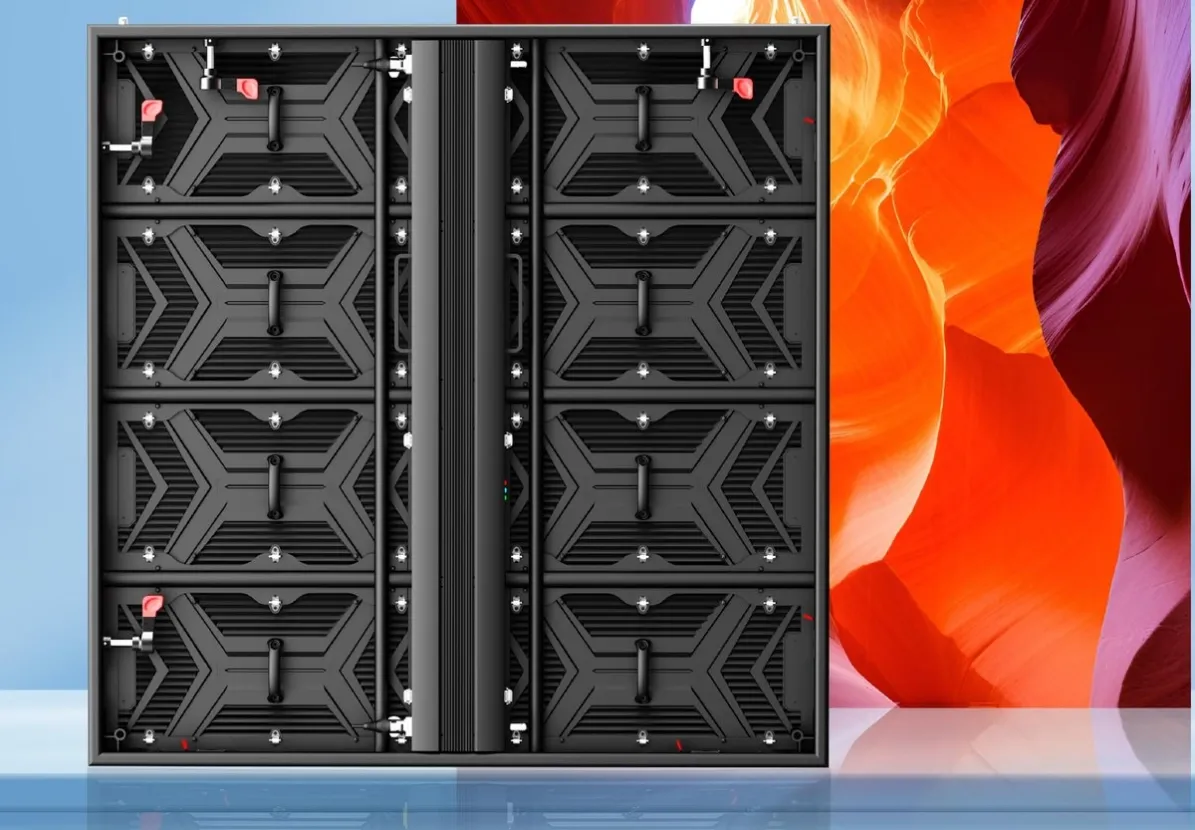
The existing configuration guide lists IP65 front / IP54 rear protection. Confirm the rating of the selected model and both sides of the installation. A front rating alone does not describe the protection of connectors, cable entries, distribution equipment or the rear service area.
Plan drainage, ventilation, grounding, surge protection and weather-protected electrical equipment as part of the installation. The support design must account for the site and wind loads; the cabinet specification is not a structural drawing.
Front or Rear Maintenance
Choose a service method before finalizing the mounting frame. A rear-service screen needs a workable service route behind the cabinets. Front-service arrangements still need tool access and a clear method for removing modules and accessing replaceable parts. Confirm which components can actually be serviced from the chosen side.
Control and Remote Content Updates
Live video and scheduled advertising have different control requirements. Provide the source resolution, cable distance and available network. A compatible controller or processor is selected around the native pixel matrix and receiving-card configuration. Remote updates require a suitable player, connectivity and the chosen management service.
For an open-grid facade solution, compare our outdoor transparent LED grille display. It has a different structure and should not be treated as the same product as a solid outdoor LED wall.
Frequently Asked Questions
How do I choose the pixel pitch?
Start with the screen dimensions, nearest and typical viewing distances, and the smallest text in the content. Confirm the native resolution and cabinet grid before preparing media.
Is every outdoor screen fully waterproof?
Protection is model-specific. Check front and rear ratings and the complete power and cable installation. Do not interpret a cabinet rating as permission to immerse the screen or leave other system components exposed.
Can the brightness adjust automatically?
Automatic adjustment requires a compatible control system and an appropriate sensor or schedule. Confirm accessories, dimming behavior and nighttime operation in the quotation.
What affects the final project price?
Pixel pitch, screen area, component configuration, brightness, maintenance method, controller, supporting structure, spare parts, packaging and freight. Compare the complete supply scope, not only a price per square meter.
Request an Outdoor LED Display Proposal
Send WINTECH your screen dimensions and site photos, together with the project location, viewing distance, mounting conditions and preferred service method. Ask for model-specific power figures, operating limits, protection ratings and written warranty terms before approval.